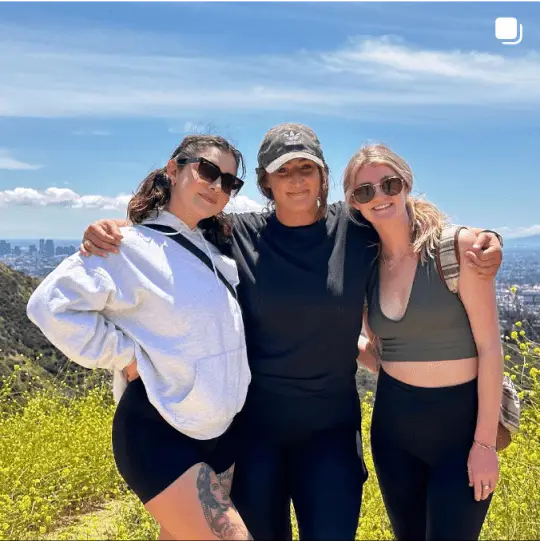
Just steps from the beach, this scenic park features picnic areas, sports courts, and ocean views—perfect for peaceful reflection or spending quality time with others. 100 Main St, Newport Beach, CA 92661


Begin personalized ketamine addiction care in your area, grounded in clinical expertise and whole-person healing.
Reviews
Our clinical staff are experts in addiction & mental health treatment, here to guide you into lasting sobriety through proven, evidence-based treatments
Will Dunbar is the Community Director of The District Recovery Community, where he oversees sober living operations, trains and supports house managers, and plans community-building activities for clients. He holds a degree in Social and Behavioral Science and focuses on leadership development, accountability, and creating structured, supportive environments that promote long-term recovery. Will works closely with clinical and leadership teams to ensure a high-quality, consistent client experience.
My name is Caitlin Garcia and I have been working in the substance use and mental health field for 17 years. I have experience supporting both adults and adolescents with mental health, substance use, and co occurring disorders. I currently hold my CADC II and am pursuing my Masters degree in Psychology to continue growing in this work. I believe recovery is not just about treatment but about helping individuals rediscover their voice, their worth, and their purpose, and I am honored to be part of that journey.
Alina Nejadian is a Licensed Marriage and Family Therapist. Alina has provided 16+ years of psychotherapy services and has been in the mental health field for over 18 years. She has served in various settings and populations. She has used different interventions and techniques (CBT, DBT, IFS, Narrative therapy, Reality therapy, Exposure therapy, Gestalt therapy, Gottman method, Betrayal trauma healing, and more). She has worked with clients with mental health disorders, trauma, emotional disturbances, addictions, personality disorders, special needs, couples with discord, etc. She has also facilitated various group therapy sessions, as well as, family therapy. Alina Nejadian is currently in a management position as a Clinical Director and oversees a staff of pre-licensed individuals. Training in the modalities listed above, catering them to client needs. Her belief is as follows: “We are all very unique, and our core needs may be similar, however, we like our needs met in varying ways. We have been clouded by the conditioning of our upbringing, life experiences, and so on. To undo some of the conditioning, reach our authentic self, and radiate at a higher plane may lead to healing, and if not, it shall lead to our genuine self making the determination of what is best for our healing. My intent is to be a tiny part of moving you into that direction.” On a more personal note: Alina truly believes in how much growth there has been and there is yet to be in the world of science, and she is also highly spiritual. Alina has shared that she has dealt with an extensive amount of hardships in her lifetime, and has thus become a huge fan of people like Thich Nhat Hanh, Richard Schwartz, and Carl Jung. What she has learned, experienced, in combination with her own healing to an extent, her faith, and her beliefs makes her passionate about sharing concepts through therapy that she hopes will work for you.
After battling with addiction for over a decade, Kevin finally reached a point of surrender and accepted help. His journey, both professionally and personally have put him in a unique position to help both clients and families navigate the stressful and sometimes difficult process of beginning their recovery journeys. In addition to working with clients on a one on one basis, Kevin develops and maintains relationships with other clinical programs and professionals throughout the country.
Jack Petti comes from a unique background, having struggled with addiction from the very early age of twelve years old. He uses his story to help individuals struggling with the same problems he once struggled with. In charge of various and multiple roles at Renaissance Recovery, Jack works with our clients, helping provide and establish a solid foundation for recovery. He hopes to support them in developing a better manner of living.
I am a Latino male therapist (APCC) who specializes with individuals struggling with addiction disorders; as well as mental health struggles such as Depression, Anxiety, PTSD, and trauma. My area of expertise in this field mainly revolves around family dynamics and addressing unhealthy family dynamics ingrained within us in order to move forward with a clearer mentality. As a therapist I will do all I can to ensure clients feel safe and supported as they navigate their recovery journey.
I’m a Case Manager at Alliance Recovery who first came through The District myself and found long-term sobriety here. Before case management, I spent three years as a house manager supporting clients in early recovery, which is where I really found out I love this work. I’m currently in college working toward becoming a therapist so I can keep growing in the field. Outside of work, I’m big on LEGOs — it’s my way to slow down, focus, and be creative.
My name is Amber McGinley, and I’m a Case Manager at Alliance Recovery. I’m passionate about helping individuals who are working toward recovery and rebuilding their lives. In my role, I provide support, guidance, and accountability to help clients identify goals, develop coping skills, and stay on track with their treatment plans.
I take a compassionate and client-centered approach, meeting people where they are and helping them build confidence and stability one step at a time. I’m currently pursuing my CADC to continue growing in the field of addiction counseling. Being part of someone’s recovery journey and watching them make progress is what motivates me every day.
As a member of the Operations Team at Alliance Recovery, I bring a diverse background in health and wellness to the recovery process. I hold a bachelor’s degree in food systems from the University of Vermont and emphasize the importance of mindful eating and overall wellness with my clients. As a woman in recovery, I am deeply grateful to witness the daily transformation of our clients’ lives. I am passionate about supporting individuals as they discover and become the best versions of themselves.
Specialized ketamine addiction treatment becomes available through Alliance Recovery in Orange County, targeting the distinct psychological dependency and medical complications that characterize dissociative anesthetic use disorder. Whether you’ve endured the frightening experience of k-holes that completely disconnect you from reality, cognitive difficulties that render concentration nearly impossible, urgent urination and bladder discomfort from ketamine-induced cystitis, challenges sustaining relationships when dissociated states feel preferable to genuine connection, worsening depression during periods between usage, embarrassment about dependency on a substance often overlooked as problematic, tolerance levels demanding increasingly hazardous amounts, or the realization that using ketamine for emotional escape has generated additional complications, our comprehensive treatment integrates medical supervision with focused psychiatric care.
Effective ketamine addiction treatment demands attention to psychological dependency on dissociative experiences and medical consequences from prolonged usage. Discover additional details about our targeted methodology in Orange County by selecting “Read More” below.
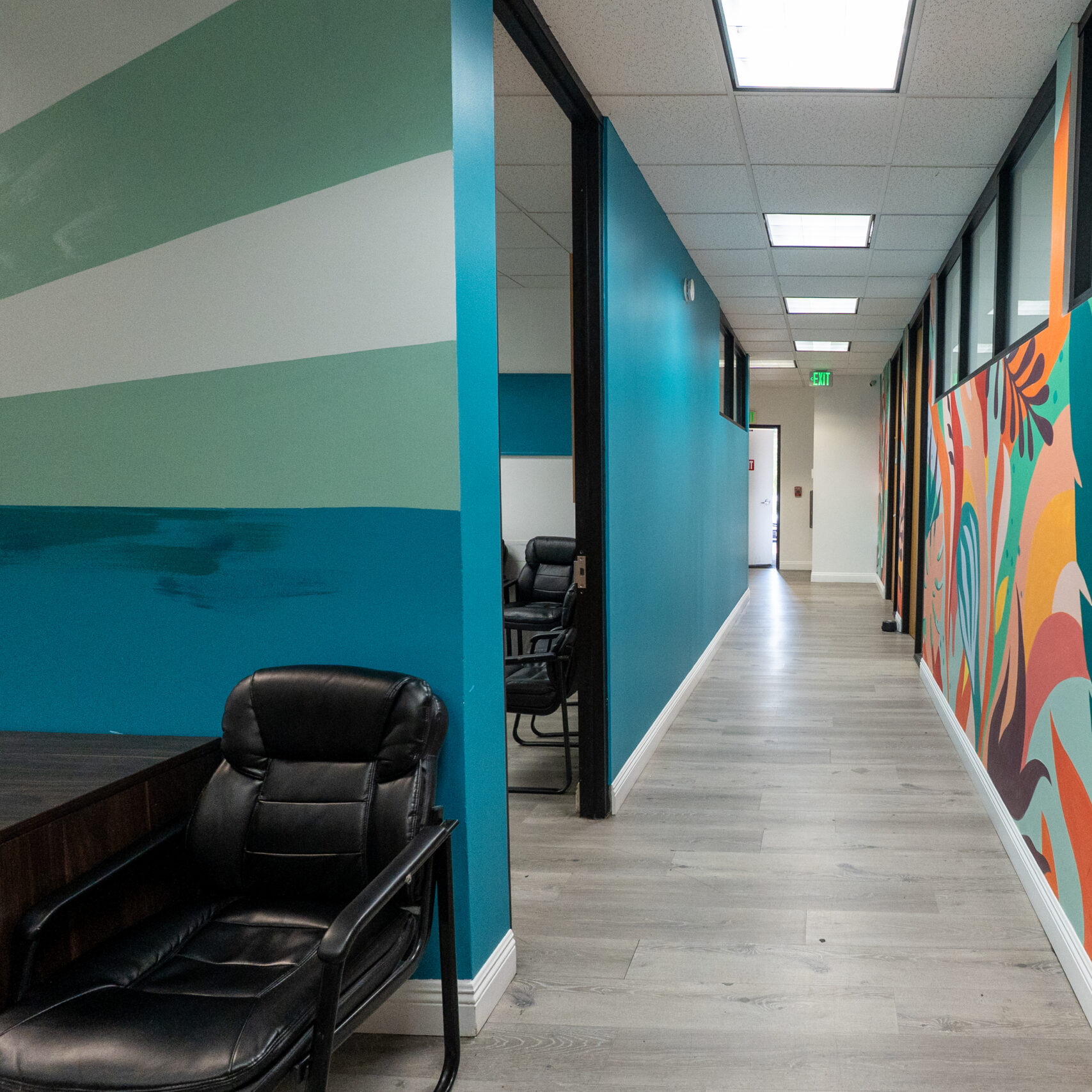
Comfortable residential homes & treatment facilities designed to feel like a retreat, not a hospital.
Peaceful surroundings, outdoor spaces, and calming interiors promote emotional healing.
Our alumni and their families report life-changing experiences and long-term recovery.
Led by professionals with decades of combined experience in addiction and mental health care.
Specialized ketamine addiction treatment in Orange County delivers remarkable results when clinical protocols specifically target the distinctive psychological mechanisms of dissociative anesthetic dependency. Through ketamine’s powerful dissociative properties, psychological dependence emerges as individuals seek refuge from overwhelming emotional pain. Unlike substances with severe physical withdrawal symptoms, ketamine creates intense mental reliance on dissociated states of consciousness. Prolonged usage leads to devastating urological complications, particularly bladder inflammation and functional impairment. Executive function and memory processing suffer significant deterioration from chronic exposure. Club and recreational settings initially introduced most individuals to ketamine, unaware that dissociative experiences would evolve into compulsive psychological addiction.
Under direction of psychiatric specialists trained in dissociative substance disorders, trauma-focused clinicians who address core psychological wounds, and medical professionals monitoring urological health complications, ketamine treatment comprehensively tackles obstacles that conventional programs frequently miss. Thorough psychiatric assessment reveals underlying depression, anxiety, PTSD, or existential suffering that fuels escapist substance use. Complete medical evaluation examines bladder deterioration requiring specialized urological care. Through Cognitive Behavioral Therapy, dissociation becomes recognized as maladaptive avoidance behavior. Using Dialectical Behavior Therapy principles, clients learn healthy distress management without dissociative withdrawal. Trauma-focused therapeutic approaches systematically process the underlying emotional pain that ketamine previously concealed. Evidence-based psychiatric medication management treats concurrent mental health conditions rather than relying on dissociative self-medication patterns.
Clients receive therapeutic advantages unavailable through providers without specialized dissociative drug training. Recognition that psychological dependence represents legitimate addiction despite absent physical withdrawal symptoms. Ongoing medical supervision for urological damage that many healthcare providers overlook or minimize. Comprehensive trauma resolution targeting fundamental causes instead of perpetual emotional avoidance through dissociative episodes. Gradual reconnection with authentic emotional experiences and present-moment awareness following extended psychological detachment. These specialized treatment interventions establish psychological stability addressing both substance dependency and underlying psychiatric disorders requiring expert clinical attention.
Through sustained treatment, participants cultivate emotional strength to process psychological distress without dissociative avoidance mechanisms. Capacity building occurs for managing depression, anxiety, or trauma through validated therapeutic approaches instead of altered consciousness states. Sustainable recovery foundations acknowledge that emotional discomfort will naturally emerge as dissociation decreases, indicating progress rather than treatment failure. Comprehensive support systems develop that maintain abstinence while addressing genuine psychiatric requirements through appropriate clinical interventions rather than dissociative substances that cause urological harm, cognitive decline, and severe psychological dependency on reality avoidance behaviors.
Drug rehab programs near offer a full continuum of care, including medical detox, inpatient treatment, partial hospitalization (PHP), intensive outpatient (IOP), and standard outpatient (OP) services. Whether you’re looking for structured care or flexible support, Orange County drug rehab options are designed to meet a range of needs.
Rehab Admission Process: Step-by-Step | |
|---|---|
| Step 1 | Share your story: Connect with us and let us understand your background, challenges, and goals for recovery. |
| Step 2 | Complete a simple pre-screening: Answer a few questions so we can assess your needs and coverage. |
| Step 3 | Get your personalized treatment plan: We’ll recommend the program best suited to your situation and goals. |
| Step 4 | Coordinate your journey: Our team helps you arrange travel, admissions details, and next steps. |
| Step 5 | Begin your recovery: Arrive at your chosen facility and start the healing process with confidence. |
| Staff Member | Position Title | Certification and/or Master |
|---|---|---|
| Alina Nejadian | Clinical Director | LMFT |
| Will Dunbar | Community Director | SUDRC |
| Chance Lyons | Operations Lead | SUDRC |
| Celia Taylor | Operations | RADT |
| Caitlin Garcia | Program Director | CADC-II |
| Abigail Lira | Case Manager | CADC-I |
| Jose Rodriguez | Therapist | APCC |
| Amber Mcginley | Case Manager | RADT |
| Martin Lopez | Therapist | APCC |
| Natalie Pocoroba | Therapist | AMFT |
| Jon Bueno | Case Manager | RADT |
| Matthew Fleming | Case Manager | RADT |
| Devon Kimble | Case Manager | RAC |
| Jack Murphy | Therapist | AMFT |
| Rachael Fitzirwin | Therapist | AMFT |
Addictions Alliance Recovery Treats | ||||
|---|---|---|---|---|
| Adderall addiction | Bath salts abuse | Dexedrine addiction | Kratom addiction | Opioid addiction |
| Ambien addiction | Barbiturate addiction | Halcion addiction | Lithium addiction | OxyContin abuse |
| Amphetamine addiction | Benzodiazepine addiction | Hydrocodone addiction | LSD addiction | Stimulants abuse |
| Alcohol addiction | Cocaine addiction | Inhalant addiction | Ritalin addiction | |
| Ativan addiction | Codeine addiction | Prescription drug addiction | Marijuana addiction | |
| Painkiller addiction | Percocet addiction | Ketamine abuse | Meth addiction | |
Addictions Alliance Recovery Treats | |
|---|---|
| Adderall addiction | Bath salts abuse |
| Ambien addiction | Barbiturate addiction |
| Amphetamine addiction | Benzodiazepine addiction |
| Alcohol addiction | Cocaine addiction |
| Ativan addiction | Codeine addiction |
| Painkiller addiction | Percocet addiction |
| Dexedrine addiction | Kratom addiction |
| Halcion addiction | Lithium addiction |
| Hydrocodone addiction | LSD addiction |
| Inhalant addiction | Ritalin addiction |
| Prescription drug addiction | Marijuana addiction |
| Ketamine abuse | Meth addiction |
| Opioid addiction | Stimulants abuse |
| OxyContin abuse | |
Levels of Addiction Treatment |
Medical detox |
Residential & inpatient addiction treatment |
Partial hospitalization program (PHP) |
Intensive outpatient program (IOP) |
Outpatient Program (OP) |
Aftercare rehabilitation services |
Drug Rehab Therapies | What They Are |
|---|---|
| Cognitive Behavioral Therapy (CBT) | Helps individuals recognize and change negative thought patterns that drive addictive behaviors. |
| Dialectical Behavior Therapy (DBT) | Teaches emotional regulation, mindfulness, and coping skills to manage distress and improve relationships. |
| Motivational Interviewing (MI) | Encourages self-motivation by exploring personal goals and reducing ambivalence about change. |
| Contingency Management | Uses incentives and rewards to reinforce positive behaviors like staying sober. |
| 12-Step Facilitation | Provides structured peer support rooted in the principles of Alcoholics Anonymous and similar programs. |
| Eye Movement Desensitization and Reprocessing (EMDR) | Uses guided eye movements to process and heal trauma linked to substance use. |
| Family Therapy | Involves loved ones in the recovery process to improve communication and repair relationships. |
| Group Therapy | Provides peer support, accountability, and shared learning in a guided therapeutic setting. |
| Holistic Therapy | Incorporates practices like yoga, meditation, art, and music to heal mind, body, and spirit. |
| Trauma-Informed Care | Addresses the role of past trauma in addiction and helps build healthy coping strategies. |
| Medication-Assisted Treatment (MAT) | Combines FDA-approved medications with counseling to reduce cravings and withdrawal symptoms. |
After completing treatment at our drug and alcohol rehab, many clients find exciting and fulfilling sober activities throughout the state. Exploring new hobbies and healthy pastimes is an excellent way to stay engaged in long-term recovery, especially with the support of the local vibrant sober community.
Sober activities in the local area include:
Drug & Alcohol Rehab Accreditations | |
| AMFT | 3 |
| ASW | 1 |
| B.S. | 1 |
| CADC I | 1 |
| CADC-II | 1 |
| LMFT | 1 |
| LMHC | 1 |
| Ph.D | 1 |
| RADT | 3 |
| SUDCC II | 1 |
| SUDRC | 2 |
Specialized Rehab for Select Groups |
||
|---|---|---|
| 12 Step Drug & Alcohol Rehab | Faith Based Drug & Alcohol Rehab | Meth Rehab |
| Alcohol Rehab | Fentanyl Rehab | Opioid Rehab |
| Cocaine Rehab | First Responders Drug & Alcohol Rehab | Sober Living |
| Couples Drug & Alcohol Rehab & Detox | Heroine Rehab | Teen/Young Adults Drug & Alcohol Rehab |
| Device & Electronic Friendly Rehab | Kratom Rehab | Veterans Drug & Alcohol Rehab |
| Executive Drug & Alcohol Rehab | Men’s Drug & Alcohol Rehab & Detox | Women’s Drug & Alcohol Rehab & Detox |
| Short-term 7/10/14 rehab | 30/60/90 Day Rehab | Same-day emergency rehab |
Just steps from the beach, this scenic park features picnic areas, sports courts, and ocean views—perfect for peaceful reflection or spending quality time with others. 100 Main St, Newport Beach, CA 92661
A tranquil space with walking trails, native plant gardens, and educational exhibits—ideal for quiet moments and mindful walks. 1601 E 16th St, Newport Beach, CA 92663
While known for shopping, this open-air center also offers a welcoming atmosphere for casual strolls, people-watching, or enjoying a meal with loved ones. 401 Newport Center Dr, Newport Beach, CA 92660
Alliance Recovery’s ketamine addiction treatment programs in Orange County distinguish themselves through specialized psychiatric protocols addressing the unique psychological dependence and medical complications characterizing dissociative anesthetic addiction. Our ketamine-specific approach recognizes that this substance creates distinct clinical challenges. Psychological dependence develops through the drug’s powerful dissociative properties and ability to provide temporary escape from emotional distress.
Ketamine’s effects on consciousness create profound detachment from reality and emotional pain. Chronic use produces urological damage including cystitis and bladder dysfunction. Cognitive impairment affects memory consolidation and executive functioning. The dissociative experiences become psychologically addictive even without traditional physical withdrawal symptoms. People increasingly prefer altered states to sober reality, indicating profound psychological dependence.
Most ketamine use begins recreationally within club or party contexts. What starts as occasional experimentation progresses to compulsive daily dosing as individuals discover ketamine’s capacity to numb emotional pain and facilitate escape from unprocessed trauma.
Every treatment plan combines evidence-based interventions specifically adapted for ketamine’s unique pharmacological profile and psychological effects. Psychiatric evaluation identifies underlying mood disorders, trauma histories, or existential distress driving dissociative drug use. Medical assessment addresses urological complications requiring specialist intervention. Chronic ketamine use frequently causes interstitial cystitis, bladder inflammation, and urinary dysfunction. Cognitive Behavioral Therapy targets dissociation as avoidance mechanism. Therapy reconnects individuals with emotional processing and reality engagement. Dialectical Behavior Therapy teaches distress tolerance without dissociative escape. Trauma-informed interventions address underlying pain ketamine was masking.
Psychiatric medication management treats co-occurring depression or anxiety through evidence-based pharmacology rather than dissociative self-medication.
Alliance Recovery incorporates comprehensive psychiatric assessment recognizing that ketamine use often represents maladaptive coping for depression, anxiety disorders, PTSD, or existential distress. We address both ketamine dependence and underlying psychiatric conditions through coordinated treatment. Evidence-based therapies target root psychological factors. Appropriate psychiatric medications provide symptom management without dissociative properties. Treatment includes psychoeducation about NMDA receptor antagonism and ketamine’s neurobiological effects. This validates clients’ experiences while explaining the substance’s addiction potential. We challenge minimization that recreational drug culture creates around dissociative anesthetic dependence.
Participants discover that addressing ketamine addiction requires specialized knowledge often lacking in traditional addiction settings. Many providers dismiss ketamine concerns due to the substance’s medical applications or lack of dramatic physical withdrawal. Some fail to recognize psychological dependence severity when physical dependence is absent. Others lack experience treating dissociative anesthetic abuse. This combination of ketamine-specific clinical expertise, validation that psychological dependence constitutes genuine addiction deserving professional intervention, comprehensive assessment for underlying psychiatric conditions, and evidence-based psychiatric care enables psychological stabilization, emotional processing skill development, and establishment of healthy coping mechanisms essential for sustained recovery.
By treating ketamine dependence with protocols specifically acknowledging this substance’s unique characteristics rather than applying generic substance abuse frameworks inadequate for dissociative drug dependencies, our programming addresses why ketamine use became problematic and how to process underlying trauma without dissociative escape, reconnect with emotional experience and reality engagement, address urological damage through medical intervention, restore cognitive functioning impaired by chronic use, and maintain abstinence when emotional distress resurfaces requiring healthy coping rather than dissociative avoidance.
Most people struggling with substance use disorder who do not get treatment relapse within months.
Recovery rates improve with each level of care completed in the addiction treatment journey.
CBT helps individuals identify and change negative thought patterns and behaviors that contribute to addiction and mental health challenges. By learning practical coping strategies, clients gain healthier ways to manage stress and triggers in daily life.
DBT focuses on building emotional regulation, mindfulness, and interpersonal effectiveness skills. It is especially effective for those dealing with intense emotions, self-destructive behaviors, or co-occurring mental health conditions.
MAT combines FDA-approved medications with counseling and behavioral therapies to treat substance use disorders. This approach reduces cravings and withdrawal symptoms, helping clients stay engaged in recovery.
These sessions create a supportive environment where clients can share experiences, build communication skills, and strengthen relationships. Family involvement helps repair trust, improve understanding, and create a healthier foundation for recovery.
A supervised medical process that manages withdrawal symptoms to prepare individuals for ongoing treatment.
A live-in program that delivers intensive, round-the-clock care and therapy to address substance use or mental health disorders in a structured setting.
A structured, full-day treatment program that provides intensive therapy without requiring overnight stays.
A flexible treatment option offering several hours of therapy per week while allowing clients to maintain daily responsibilities.
A step-down level of care with scheduled therapy sessions that support continued recovery while living independently.
Ongoing support and resources that help individuals maintain long-term sobriety and stability after completing formal treatment.
Alliance Recovery belongs to a trusted network of addiction & mental health recovery centers across the nation. Visit www.districtbehavioralhealth.com to learn more.
*Red Pins: Our Locations / Blue Pins: States Patients Have Traveled From
Access to Alliance Recovery’s ketamine treatment exists locally in your area. However, choosing to relocate to our Florida, California, or Tennessee facility could dramatically enhance your recovery journey in surprising ways.
Specific social ecosystems fuel ketamine addiction patterns. Party scenes, club environments, and rave communities make dissociative drug use appear normal. Concerned voices get dismissed by friends who insist ketamine poses no danger due to its medical applications. Enabling relationships strengthen destructive usage cycles. Staying within Orange County means continued exposure to these harmful influences.
Psychological aspects of ketamine dependence make local recovery challenging. Physical addiction symptoms don’t typically manifest. Dramatic withdrawal episodes rarely occur. Uncertainty about treatment necessity develops as a result. Local responsibilities become convenient excuses for postponing help. Professional duties feel urgent and unavoidable. Social calendar commitments appear essential. Recovery commitment becomes incomplete due to these justifications.
Complete elimination of escape routes happens through relocation. Attending “one final” party becomes impossible. Maintaining half-hearted recovery while keeping connections to party culture cannot continue. Total separation from enabling behaviors becomes mandatory through distance. Transformative clarity emerges from this approach.
Immersion in recovery-focused wellness culture defines California’s advantage. Mental health sophistication throughout the state creates peer communities familiar with ketamine addiction challenges. Others who’ve walked similar recovery paths become accessible. Feelings of isolation diminish significantly.
Natural beauty throughout Florida supports essential grounding practices for overcoming dissociative patterns. Embodiment work becomes easier in beach settings. Sensory reconnection develops through ocean swimming activities. Ketamine’s numbing effects get countered by these therapeutic experiences.
Peaceful environments in Tennessee create necessary space for deep emotional exploration. Profound pain often gets masked by ketamine use, including trauma, grief, and existential struggles. Safe confrontation of what dissociation was hiding becomes possible in quiet settings. Sustained focus required for this work cannot happen amid everyday life’s chaos.


No content found.